
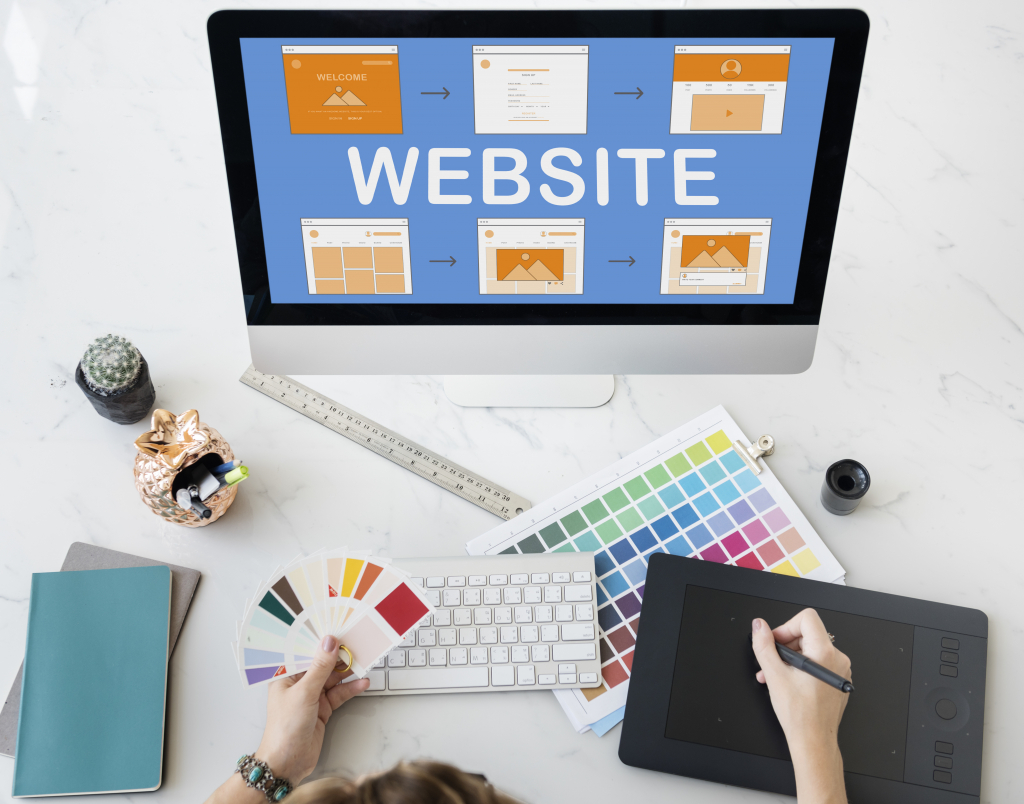
Website dan media sosial sering diperlakukan seolah-olah salah satunya harus menggantikan yang lain. Padahal, untuk sebagian besar bisnis, keduanya memiliki fungsi yang berbeda. Media sosial membantu distribusi dan interaksi, sedangkan website memberi ruang yang lebih terstruktur untuk menjelaskan bisnis, mengarahkan pengunjung, dan menyimpan informasi penting dalam aset digital yang dikelola sendiri.
Karena itu, pertanyaan yang lebih berguna bukan “mana yang lebih baik?”, tetapi apa peran website dan media sosial dalam perjalanan calon pelanggan.
Perbedaan fungsi website dan media sosial
| Aspek | Website | Media Sosial |
|---|---|---|
| Fungsi utama | Pusat informasi dan konversi | Distribusi, interaksi, dan discovery |
| Kontrol | Struktur dan pengalaman lebih dapat dikendalikan | Mengikuti fitur dan aturan platform |
| Informasi | Dapat disusun lengkap dan bertingkat | Lebih cocok untuk format singkat dan berulang |
| Pencarian | Dapat dioptimalkan untuk Google | Lebih bergantung pada pencarian dan algoritma platform |
| Konversi | Dapat diarahkan ke formulir, WhatsApp, katalog, atau checkout | Biasanya menjadi titik awal interaksi atau traffic |
Kapan media sosial lebih berperan?
Media sosial berguna ketika bisnis ingin menjangkau audiens melalui konten yang cepat dikonsumsi, membangun interaksi, memperlihatkan aktivitas brand, atau menguji respons terhadap topik tertentu. Instagram, TikTok, Facebook, dan platform lain juga dapat menjadi jalur awal bagi calon pelanggan sebelum mereka mencari informasi yang lebih lengkap.
Media sosial cocok untuk:
- mendistribusikan video, carousel, dan konten pendek,
- menunjukkan aktivitas dan karakter brand,
- mendorong komentar, pesan, atau interaksi,
- mendukung campaign organik dan berbayar,
- menguji angle konten dan respons audiens.
Jika tantangan utama bisnis ada pada ide, produksi, dan kualitas materi, lihat jasa content creator. Jika yang dibutuhkan adalah pengelolaan kanal, kalender, dan aktivitas akun, lihat layanan media sosial.
Kapan website lebih berperan?
Website menjadi penting ketika calon pelanggan membutuhkan informasi yang lebih lengkap sebelum mengambil keputusan. Halaman layanan, detail produk, portofolio, studi kasus, FAQ, kontak, atau checkout sulit disampaikan secara konsisten jika seluruh informasi tersebar di banyak postingan.
Website juga memberi bisnis struktur yang lebih jelas. Pengunjung dapat diarahkan dari halaman umum ke halaman layanan tertentu, artikel edukasi, formulir, WhatsApp, atau transaksi. Struktur seperti ini membantu setiap halaman memiliki tujuan dan intent yang berbeda.
Untuk bisnis yang sedang membangun pusat informasi dan konversi sendiri, lihat jasa pembuatan website.
Apakah media sosial bisa menggantikan website?
Dalam bisnis sederhana, media sosial bisa cukup untuk memulai. Namun, semakin banyak produk, layanan, pertanyaan pelanggan, atau kebutuhan pengukuran, semakin sulit menjadikan satu akun sosial sebagai pusat seluruh aktivitas digital.
Sebaliknya, website juga tidak otomatis menghasilkan traffic. Website tetap membutuhkan distribusi melalui SEO, iklan, media sosial, referral, atau kanal lain. Karena itu, website sebaiknya dipahami sebagai hub, sedangkan media sosial menjadi salah satu jalur yang membawa audiens menuju hub tersebut.
Contoh alur website dan media sosial bekerja bersama
- Calon pelanggan melihat video atau carousel di media sosial.
- Mereka tertarik dan membuka profil atau mengklik tautan.
- Website menjelaskan layanan, harga, proses, portofolio, atau FAQ secara lebih lengkap.
- Pengunjung melakukan tindakan seperti menghubungi WhatsApp, mengisi formulir, atau checkout.
- Data performa digunakan untuk mengevaluasi konten dan halaman yang menghasilkan tindakan.
Untuk campaign berbayar, alur ini dapat disatukan melalui strategi digital marketing agar fungsi creative, audience, landing page, dan pengukuran tidak berjalan sendiri-sendiri.
Apa yang sebaiknya diprioritaskan?
Prioritas bergantung pada masalah bisnis. Jika belum memiliki tempat yang jelas untuk menjelaskan penawaran, website dapat menjadi fondasi. Jika website sudah siap tetapi belum ada distribusi dan konten yang konsisten, media sosial bisa menjadi fokus berikutnya.
- Prioritaskan website jika informasi bisnis tersebar, calon pelanggan sering menanyakan hal yang sama, atau dibutuhkan jalur inquiry/checkout yang lebih jelas.
- Prioritaskan media sosial jika website sudah memadai tetapi brand kurang aktif menjangkau dan berinteraksi dengan audiens.
- Gunakan keduanya jika bisnis ingin menghubungkan discovery, edukasi, dan konversi dalam satu alur.
Pertanyaan yang sering diajukan
Apakah bisnis kecil wajib memiliki website?
Tidak semua bisnis harus membangun website yang kompleks sejak awal. Kebutuhan ditentukan oleh jenis bisnis, jumlah informasi, pola transaksi, dan cara pelanggan mengambil keputusan.
Apakah media sosial tetap diperlukan jika sudah punya website?
Bisa iya. Media sosial dapat membantu distribusi dan interaksi, sedangkan website menjadi tempat informasi dan tindakan yang lebih terstruktur.
Apakah website otomatis lebih mudah ditemukan di Google?
Tidak. Website perlu memiliki struktur teknis, halaman yang relevan, konten yang berguna, dan optimasi SEO agar peluang tampil di pencarian meningkat.
Kesimpulan
Website dan media sosial bukan dua kanal yang harus saling menggantikan. Media sosial membantu bisnis ditemukan dan berinteraksi dengan audiens, sementara website membantu menyusun informasi, membangun jalur tindakan, dan menjadi pusat aktivitas digital. Kombinasi keduanya sebaiknya ditentukan berdasarkan tujuan bisnis, bukan sekadar mengikuti tren platform.